

Most Auckland homes require a professional window cleaning every three to six months to remove accumulated salt spray and seasonal grime. When determining how often should you clean your windows Auckland residents should aim for at least two cleanings per year, ideally during spring and autumn; however, coastal properties often require more frequent maintenance to prevent glass degradation.
Living in Auckland offers stunning coastal views, but the combination of salt spray, seasonal pollen, and urban pollutants often leaves windows looking clouded just weeks after a wipe down. For many local homeowners, the frustration of streaky glass is more than a cosmetic nuisance; it is a constant battle against the unique maritime environment of the City of Sails. Regular maintenance is essential to prevent permanent glass etching caused by mineral deposits and sea salt. In this guide, we will explore the ideal cleaning frequency tailored specifically to Auckland’s distinct microclimates. You will learn about our seasonal maintenance calendar, the importance of using pure water technology for a streak free finish, and why neglecting your exterior glass could lead to costly long term repairs. We also highlight the often overlooked necessity of cleaning solar panels to maintain peak home efficiency.
The Auckland Standard: A General Frequency Guide
Auckland's narrow geography means that almost every property is influenced by maritime conditions. For most residential properties, the standard recommendation for professional window cleaning services is every 3 to 6 months. While this range serves as a helpful baseline, determining exactly how often should you clean your windows Auckland residents need to look at their specific street and local environment rather than a generic rule of thumb.
Exterior glass requires more frequent attention than the interior because it faces the constant pressure of Auckland's salt laden air and high humidity. While interior surfaces might only need cleaning once a year to address household dust or cooking film, the exteriors are subjected to wind driven rain that leaves behind mineral deposits. Left unaddressed, these minerals can bond to the glass, making them significantly harder to remove later.
In sheltered suburban pockets like Remuera or Mt Eden, scheduling a full clean twice a year typically maintains a high standard of clarity and protects the integrity of the glass. However, this frequency assumes the property is away from significant environmental stressors. If your home is positioned on an exposed ridgeline or near heavy traffic, that six month window shrinks rapidly as grime accumulates.
Property Location | Recommended Exterior Frequency | Key Factors |
|---|---|---|
Inland Suburban (e.g., Mt Eden) | Every 6 Months | Dust, general pollen |
Near Main Roads | Every 3-4 Months | Traffic film, soot, carbon |
Coastal/Exposed | Every 4-8 Weeks | Salt spray, mineral etching |
Maintaining this schedule is not just about the view; it is about preventing the buildup of corrosive elements that can compromise the glass surface over time. For more specific queries about your property type, you can view our frequently asked questions for further guidance on maintenance intervals.
Micro-climates and Their Impact on Your Windows

Auckland's complex geography creates distinct micro-climates that dictate maintenance needs. While a general baseline exists, your specific suburb often demands a more tailored approach to exterior care. When determining how often should you clean your windows Auckland homeowners must consider the specific environmental pollutants present in their neighborhood.
Coastal Properties: Mission Bay, Takapuna, and Whangaparaoa Properties within a few kilometers of the Hauraki Gulf or the Manukau Harbour face the constant threat of salt spray. Salt is not just a visibility issue; it is an aggressive mineral that can lead to permanent glass etching if left to sit. When the salt dries, it forms a crystalline crust that attracts further moisture and grime. For these homes, we recommend professional window cleaning services every 4 to 8 weeks. This frequent interval ensures that the salt does not have time to bond with the silica in the glass, which preserves the long term integrity of your windows and your coastal views.
Bush-Clad Areas: Titirangi and the Waitakere Ranges In the western suburbs or bush-heavy pockets of the North Shore, the primary concerns are organic. Native trees release high volumes of pollen and sap, particularly during the transition between seasons. This sticky residue acts as an adhesive for dust and can quickly lead to moss or lichen growth on window sills and rubber seals. To prevent these organic materials from damaging your window gaskets or causing seal failure, a 3-month cleaning cycle is ideal. Addressing these issues quarterly ensures that your home remains bright despite the dense canopy coverage often found in these areas.
Urban and Busy Road Properties: SH1 and Great South Road Corridors Homes located near major transport arteries or industrial zones experience a specific type of buildup known as traffic film. This consists of oily soot, rubber particles from tires, and carbon emissions. Unlike standard garden dust, this film is greasy and adheres strongly to the glass surface, making it difficult to remove with a basic garden hose. Residents in these high-traffic zones generally find that a 3 to 4-month frequency is necessary to prevent the glass from looking dull and grey. Regular maintenance is vital here to stop the oily film from baking onto the glass under the high New Zealand UV index. For more detailed advice on handling specific residues, our frequently asked questions section offers further insight into suburb-specific maintenance.
Auckland Seasonal Window Cleaning Calendar

Auckland’s maritime climate is relatively temperate, yet each season presents a distinct set of challenges for residential glass. Understanding the local calendar helps in determining how often should you clean your windows Auckland homeowners should follow a structured approach to maintain clarity and glass health throughout the year.
Spring: The Great Reset Spring is the busiest period for window maintenance across the region. After months of winter rain and lower light levels, the increase in sun exposure makes accumulated grime highly visible. This is the optimal time to remove the crust of winter minerals and the initial surge of spring pollen from nearby vegetation. Clearing this debris early ensures your home is prepared for the high UV levels of a New Zealand summer, which can otherwise bake contaminants into the porous surface of the glass.
Summer: Managing Heat and Dust Summer maintenance focuses on managing fine dust and coastal salt carried by dry northeasterly winds. When scheduling professional window cleaning services during these months, timing is a technical necessity. We prioritize early morning or late afternoon appointments because high glass temperatures can interfere with the cleaning process. If water is applied to glass that has been sitting in the midday sun, it evaporates almost instantly. This rapid drying can lead to spotting or streaks, so working during the cooler parts of the day ensures a flawless finish.
Autumn: Pre-Winter Salt Removal Autumn serves as a vital transition period. As the humidity shifts and the city prepares for wetter weather, it is essential to strip away the summer’s salt and dust buildup. Leaving salt on the glass during the damp winter months is risky; the constant cycle of light rain followed by drying can concentrate salt deposits, leading to the chemical etching discussed in our frequently asked questions. An autumn clean creates a clean slate before the heavier winter rains arrive, preventing the salt from bonding to the silica.
Winter: Debunking the Rain Myth Many homeowners mistakenly believe that winter rain provides a free cleaning service. In reality, rain is a catalyst for mess rather than a cure. As raindrops fall through the atmosphere, they collect microscopic pollutants. When these drops hit a window already coated in dust or salt, they mix to create muddy streaks that obscure vision once the water evaporates. Because Auckland avoids the freezing temperatures found in the South Island, winter is an excellent time for exterior maintenance. Our technicians can safely work year-round to ensure your frames and glass remain free of the moisture-retaining grime that encourages moss and lichen growth during the darker months.
The Hidden Cost of Waiting: Glass Etching and Damage
Delayed maintenance is often significantly more expensive than a structured cleaning schedule. While glass appears solid and impenetrable, it is a porous material on a microscopic level. In the Auckland environment, this means the surface acts as a trap for airborne salt spray, calcium, and hard water minerals. When these contaminants sit on the glass for extended periods, they undergo a chemical reaction with the silica, leading to permanent etching. Once etching occurs, the glass loses its clarity and becomes rough to the touch; at this stage, standard cleaning cannot fix the problem, and you are left facing the high costs of specialized glass restoration or full replacement.
This principle aligns with the 3 minute rule in cleaning, which suggests that tackling small, regular maintenance tasks prevents them from snowballing into massive, unmanageable problems. By investing in professional window cleaning services, you are effectively protecting your home's asset value and structural integrity. Determining how often should you clean your windows Auckland homeowners often find that a quarterly or bi-annual service plan acts as a vital safeguard against mineral bonding. For more details on protecting specific glass types or high-value architectural glazing, our frequently asked questions cover the technical aspects of mineral accumulation and prevention.
Why Pure Water Technology is Vital for Auckland Homes
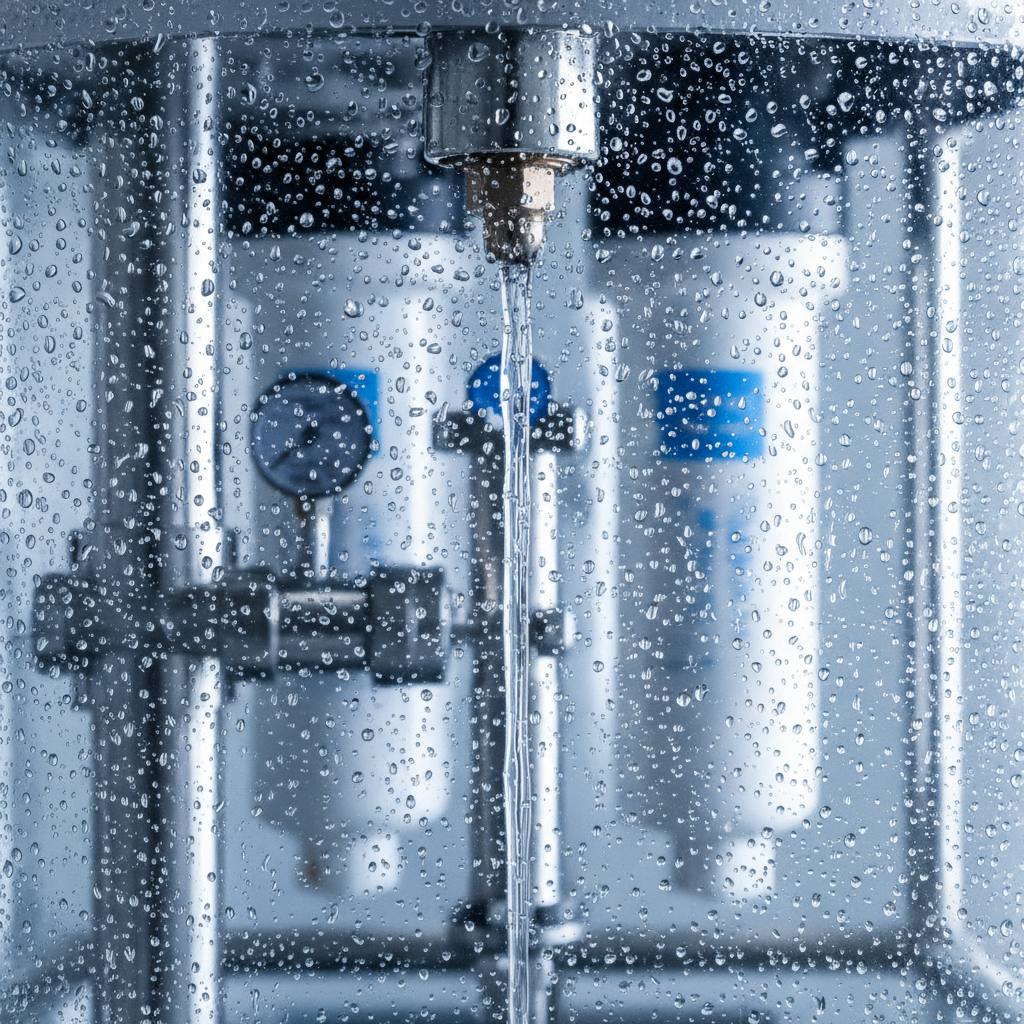
Standard Auckland tap water contains dissolved minerals like calcium and magnesium. When this water evaporates on a glass surface, it leaves behind white mineral spots that are difficult to remove without abrasive scrubbing. At EcoExteriors, we utilize advanced pure water technology to eliminate this problem. Our multi-stage filtration system removes all Total Dissolved Solids (TDS), producing water that acts as a powerful, natural solvent. This pure water aggressively bonds with dirt and organic matter on both the glass and the frames, rinsing them away completely.
Answering the common question, "Is pure water good for cleaning windows?", requires looking at the surface after it dries. Traditional cleaning methods often involve detergents. Although they provide an immediate shine, soap leaves a microscopic, sticky residue that attracts airborne dust and traffic soot. Because our pure water process leaves no chemical film, your windows stay cleaner for significantly longer. This technical advantage is central to our professional window cleaning services. It ensures that when you consider how often should you clean your windows Auckland weather conditions are less likely to dull the glass immediately after a visit. For more specific information on our eco-friendly practices, visit our frequently asked questions.
Don't Forget the Solar Panels

Efficient home maintenance involves grouping tasks to maximize property performance. When determining how often should you clean your windows Auckland homeowners should ideally align their glass care with solar panel cleaning. Because photovoltaic panels are specialized glass surfaces, they are vulnerable to the same environmental stressors as your windows. In Auckland, the combination of sticky salt film and bird droppings can block significant sunlight, reducing a system's energy output by as much as 25 percent.
Scheduling both services every six months is a practical choice. Since our technicians are already on-site with advanced filtration equipment for professional window cleaning services, they can treat your panels with the same mineral-free water. This removes power-robbing residues without leaving behind the soapy films that attract more dust. For more information on coordinating these services, our frequently asked questions provide further technical guidance on maintaining Auckland exteriors.
Maintaining clear glass in Auckland requires a consistent routine that adapts to our unique coastal environment and changing seasons. By following this guide, you can protect your window seals and enjoy unobstructed views all year round. If you find the upkeep overwhelming or simply want to ensure a professional finish, you might consider getting some expert assistance. You can explore our full range of Services to see how we can help keep your home looking its best without the stress.